Business Support
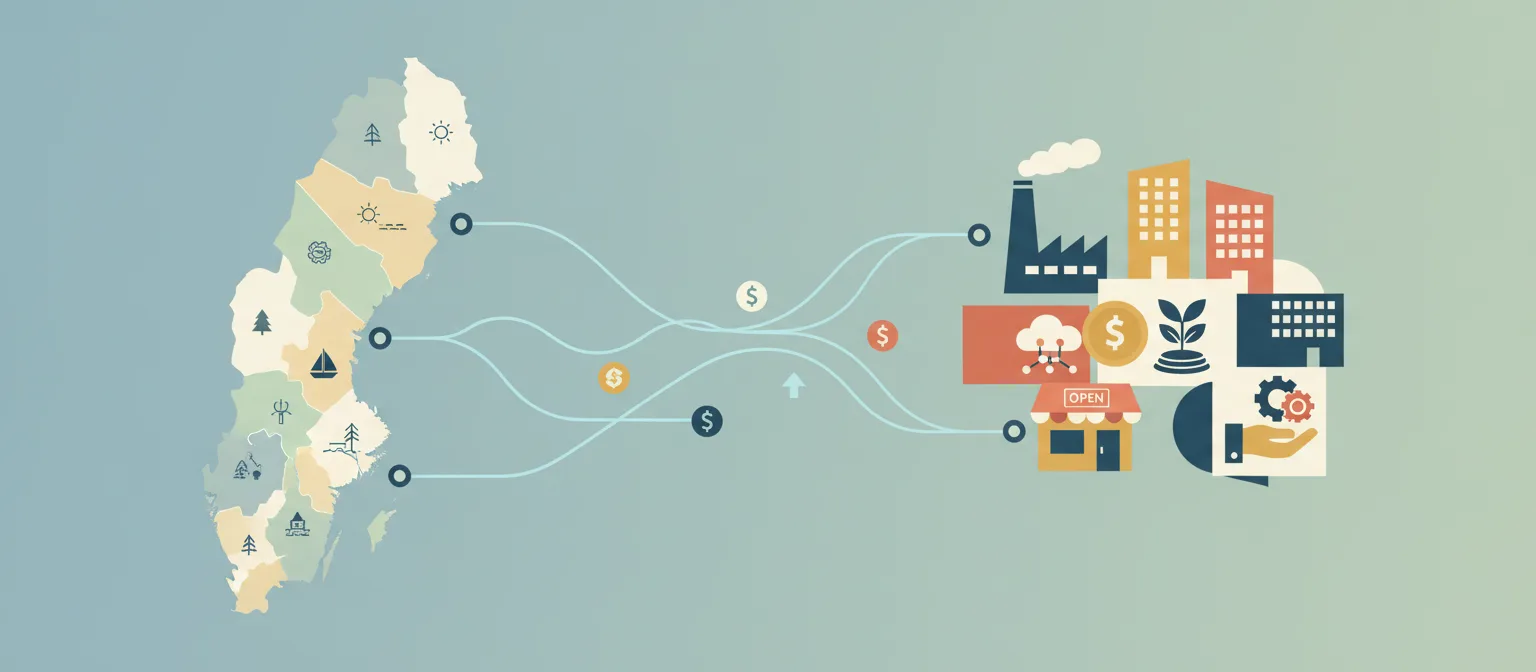
Sweden's 21 regions, together with Tillväxtverket (the Swedish Agency for Economic and Regional Growth), finance various types of business investments. We migrated business financing from an old application to a new one with a user-centered approach. The goal was to create an understandable, reliable, and efficient service for both case officers and businesses.
Lessons learned
- The design sprint provided a kickstart that we could iterate on
- Demos worked well as an anchoring strategy and provided an opportunity for feedback
- Good colleagues and a lot of trust make us so much stronger, allowing us to tackle setbacks and find a way forward
- WCAG (accessibility guidelines) works well as a support for design
Challenges
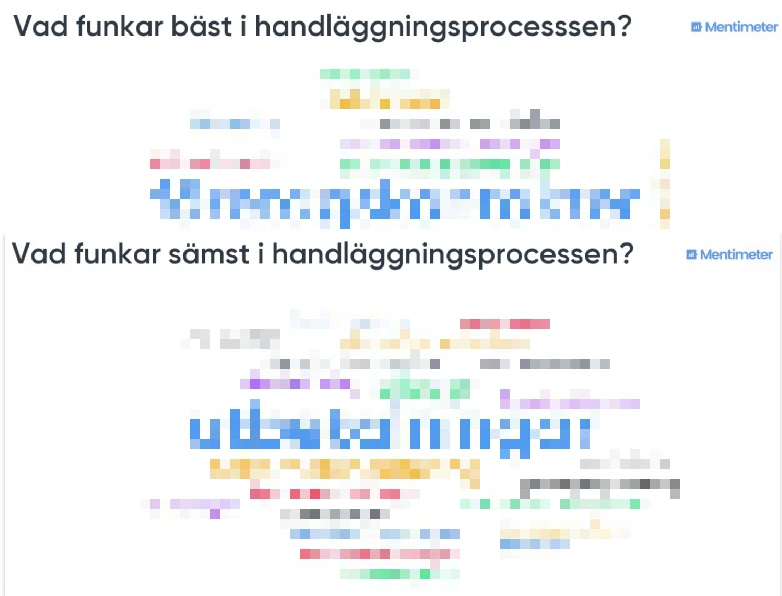
Neither the organization nor the team was accustomed to working in an agile and user-centered way. This made it extra important to demonstrate and firmly establish the importance of UX work to build a service that solves users’ problems.
A lot of effort was put into changing working methods and focusing on not just creating feature growth but actual benefit.
Approach
Early on, we decided not to look at the old application from the start. Instead, we began with interviews and observations to learn more.
- How do case officers work?
- What is important to them when handling a case?
We interviewed legal experts to understand the legal aspects and, of course, the end-users – what is their experience? The insights were compiled in the form of a customer journey.
To help us prioritize, we used statistics to understand which types of business financing are prioritized.
Communication
Since this assignment had consequences for a large group of stakeholders spread across the country, we also needed to establish a communication strategy early on.
Setting up regular digital meetings where stakeholders could see and respond to the team’s progress early through prototypes and ask questions was a central part.
Design sprint
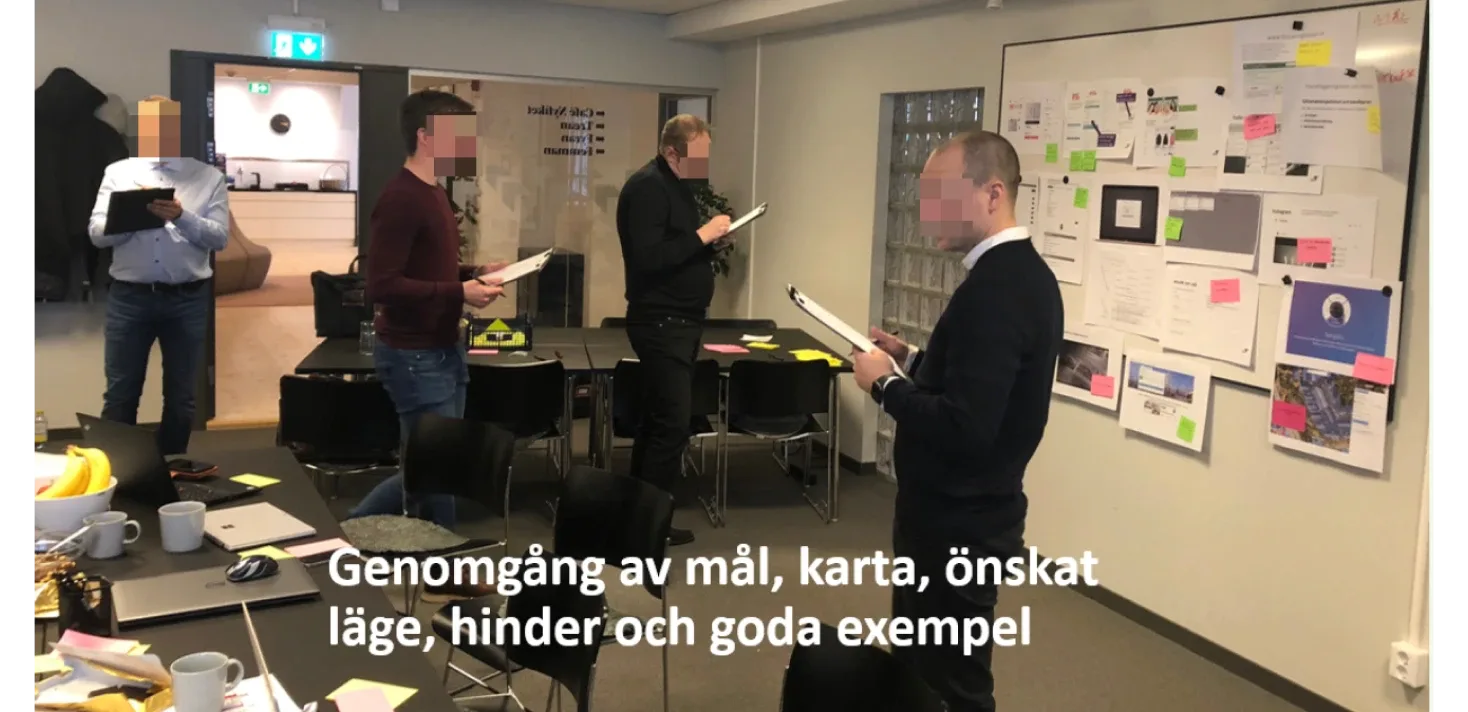
After gaining an understanding of the customer journey and defining the challenge, we conducted a design sprint. It helped us gain consensus for the assignment and its challenges. At the same time, we could be creative and innovative together and quickly find a way forward.
The sprint goal was to unite businesses and case officers through the application process, where the applicant is guided and feels empowered to apply.
Iterative design process
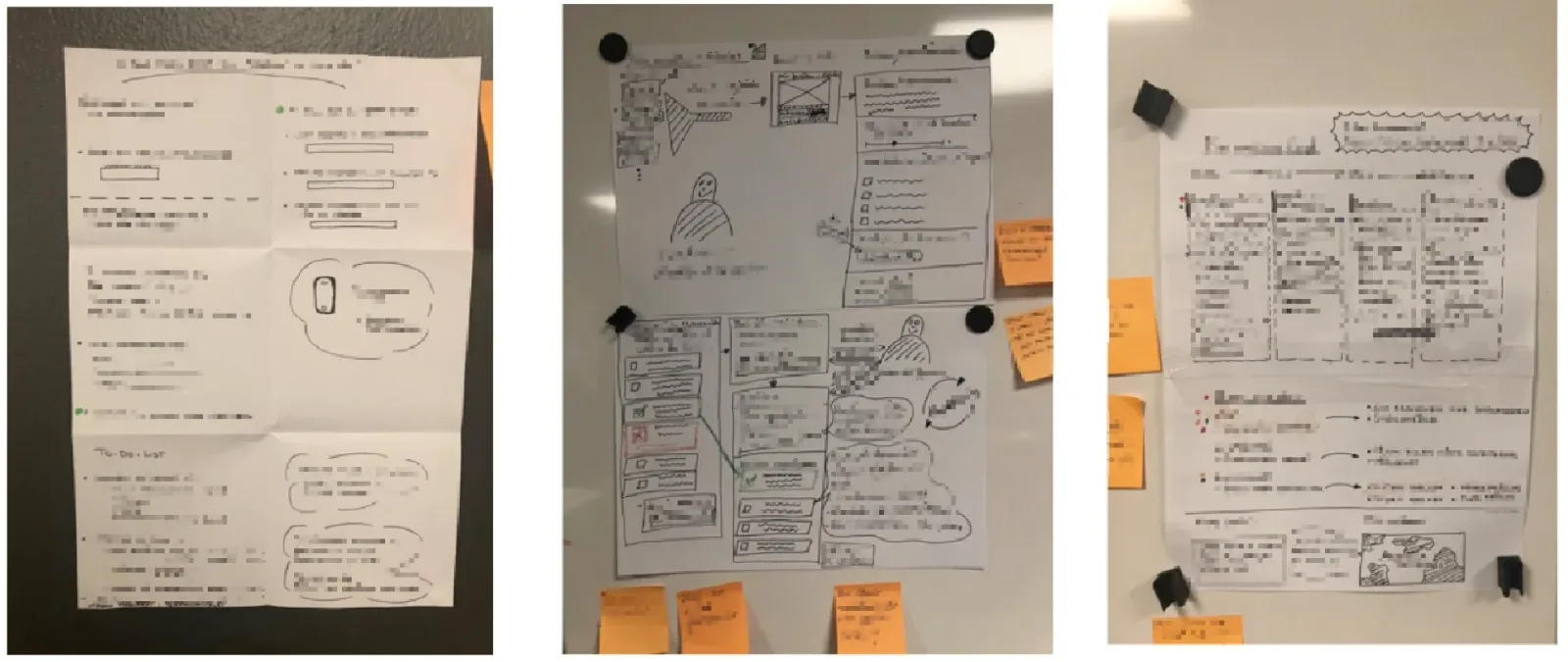
By working iteratively, we could quickly test and validate our ideas with users and case officers. We used sketches, wireframes, and prototypes to communicate and get feedback early in the process.
Summary
- Business support has been migrated to a new application. The application form is much easier to find and understand. And the questions are written from a customer perspective.
- The business gained an understanding of agile ways of working and started working closely with us to ensure the support.
- Ongoing demos with all stakeholders, in line with our communication strategy, have become a new standard.
- User testing provides valuable insights.
- The WCAG checklist works well for questioning the design and helping us ensure accessibility.